Link schemes
Black hat. Against Google’s spam policies. Risks a manual action or a ranking drop. White, grey and black hat SEO compared
What are link schemes?
A link scheme is any practice of creating links mainly to manipulate a site’s search rankings, rather than links people give because the content deserves them. Google now calls this link spam, and it is one of the most common reasons for a manual action. It covers links to your site and links from it.
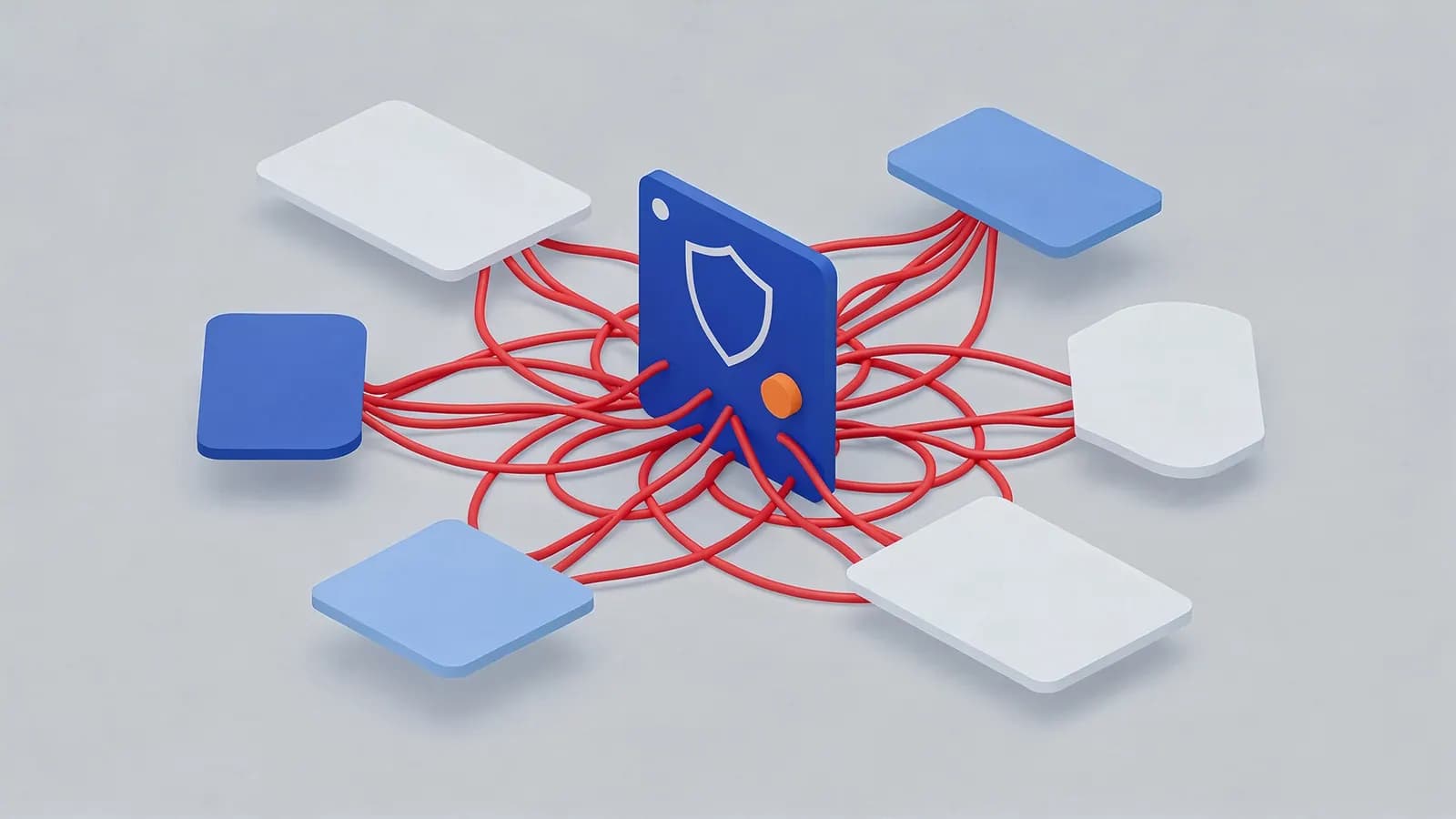
Google’s link spam policy lists examples: buying or selling links that pass ranking credit, including exchanging goods, services or free products for links; excessive link exchanges; automated programs or services that create links; requiring a link as part of a contract or terms of service without letting the linking site qualify it; text ads that pass ranking credit; paid articles, guest posts or press releases with keyword-rich links; low-quality directory or bookmark links; links hidden in widely distributed widgets; widely distributed links in site-wide footers or templates; forum comments with optimised links in the post or signature; and low-value content made to manipulate links.
Specific forms each have their own entry: paid links, private blog networks, link farms, comment spam and, at the grey edge, link exchanges.
Why link schemes matter for SEO
Links still matter to Google, which says PageRank remains part of its core ranking systems. That is why link schemes persist, and why Google invests so much in catching them. Since the December 2022 link spam update, its SpamBrain system can detect sites buying links and sites used to pass them.
The white hat alternative is link building that earns links: digital PR, broken link building, research and tools people cite. Paid placements are fine when marked rel="sponsored" or rel="nofollow".
Risks of link schemes
- An “Unnatural links to your site” manual action, or “Unnatural links from your site” if you sell or trade links.
- Links neutralised by SpamBrain, with any ranking benefit lost for good.
- Algorithmic demotion when the scheme is large or repeated.
- Wasted spend on links, plus the cost of a cleanup and disavow.
How to spot and clean up link schemes
- Export your backlinks and sort by referring domain.
- Flag sites with no real audience, unrelated topics, many outbound links on every page or “write for us” pages with prices.
- Flag exact-match commercial anchors repeated across many domains, and sudden spikes of new links.
- Ask owners of links you bought or swapped to remove them or add rel="sponsored" or rel="nofollow". Keep a log.
- Disavow the domains you cannot clean up if you have, or expect, a manual action.
- On your own site, remove or qualify any paid outbound links.
Link schemes FAQ
What counts as an unnatural link?
A link that exists mainly to influence rankings rather than because the linking site chose to point people to you, such as bought, swapped or automated links.
Are directory links a link scheme?
Low-quality directories created for links are named in Google’s policy. Genuine, curated directories and local citations that people use are fine.
Related SEO terms
Paid linksBlack hat
Paid links are links bought to pass ranking credit, without rel="sponsored" or nofollow, which breaks Google’s link spam policy.
Private blog network (PBN)Black hat
A private blog network (PBN) is a group of sites, often on expired domains, built only to link to a money site and boost its rankings.
Link farmsBlack hat
A link farm is a group of sites or pages that exist mainly to link to each other or to anyone who joins, in order to inflate rankings.
Link exchangesGrey hat
A link exchange is an agreement between sites to link to each other. Occasional relevant swaps are fine; excessive ones are link spam.
The disavow tool lets you ask Google to ignore specific links to your site. Google says most sites never need it and it can harm if misused.
Toxic backlinks are low-quality or manipulative links to your site. Google ignores most of them; only links from schemes you built tend to need action.
Link buildingWhite hat
Link building is the work of getting other websites to link to yours, to earn referral traffic and the trust that helps pages rank.